Fades and Haircuts - 4 min read
How Much Should a Haircut Cost in the UK in 2026?
Haircut prices vary far more than most people realise, and the right benchmark depends on where you live, who is cutting, and what you are actually asking for. To see real prices s
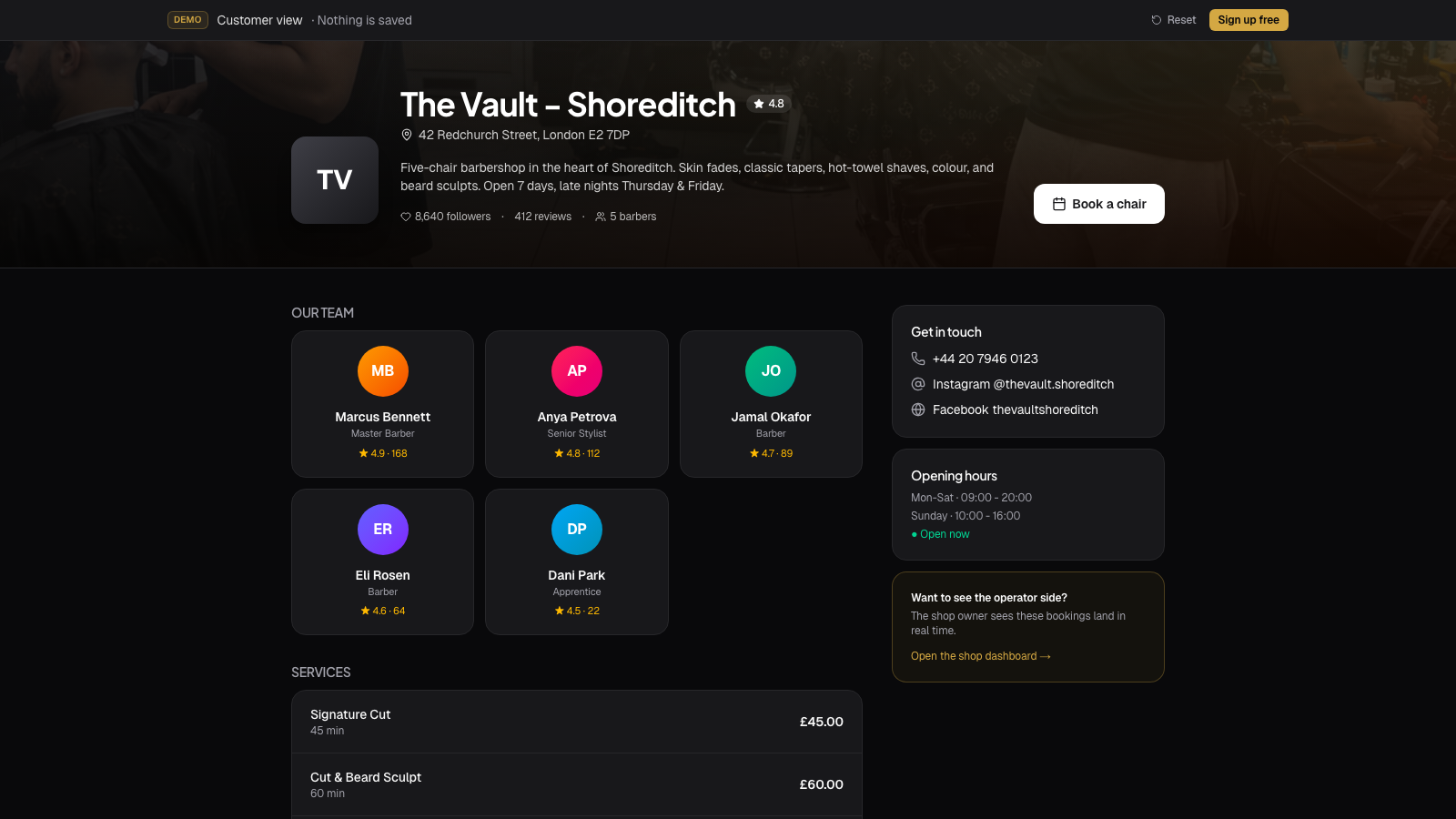
Haircut prices vary far more than most people realise, and the right benchmark depends on where you live, who is cutting, and what you are actually asking for. To see real prices side by side, browse TrustCut barbers where every profile shows the price up front.
Typical UK price ranges in 2026
Across the UK in 2026, a men's haircut at a traditional barber typically lands in the £12 to £25 range. Premium barbers and stylist-led shops sit higher, with central London easily reaching £35 to £55 and a handful of top end studios going further. Approximate ranges look like this:
- Traditional barbers in small towns: £10 to £18.
- Mid-sized cities outside London: £15 to £25.
- Major cities like Manchester, Birmingham, Leeds and Edinburgh: £18 to £30.
- Greater London suburbs: £20 to £35.
- Central London premium: £30 to £55 plus.
These are ranges, not point figures. A high street barber in central London can still charge £20, and a specialist in a small town can still charge £40 if the work warrants it.
Why the price varies so much
Price reflects more than just hair length. The main drivers are:
- Location costs, especially rent and rates.
- The barber's experience and training.
- Service time. A fade with detailing takes far longer than a clipper buzz.
- Hair type. Afro textured, very long or very thick hair takes more time.
- Extras included, such as a beard tidy or a hot towel finish.
- Booking model. Walk in shops tend to be cheaper than appointment-only.
A £25 fade that takes 45 minutes is not the same product as a £12 quick trim that takes 15.
What "expensive" usually buys you
Paying more does not always mean a better cut, but it usually buys some combination of:
- A longer consultation before the cut.
- A more experienced barber.
- A more careful finish: lines, edges, neckline detail.
- A calmer environment, often by appointment only.
- Better towels, products and aftercare.
- Stronger handling of niche hair types or specific styles.
If you go to a top barber for a simple buzz, you are paying for skill you are not using. Match the price to the cut you actually want.
What "cheap" usually means
A £10 haircut in 2026 is increasingly rare. When you find one, expect:
- A fixed cut menu, with no fade or detailing.
- Short service time, often 10 to 15 minutes.
- Walk in only, with a queue at peak times.
- Minimal consultation.
- Limited handling of specialist hair types.
That is not a bad deal if it matches what you need. A clean, fast cut from a steady hand is good value. It just is not the same product as a £25 sit down service.
Where you can sensibly save
If you want to keep costs down without ending up with a bad cut:
- Book a junior or apprentice cut where the shop offers one.
- Go midweek or off peak. Some shops offer slightly lower prices.
- Skip extras you do not use, like a beard line up if you do not have one.
- Stretch the gap between appointments by half a week if your style allows it.
- Maintain at home with a basic trimmer for necklines.
Avoid the temptation to keep switching shops to chase the cheapest price. A barber who knows your head usually cuts faster and more consistently.
When paying more is worth it
There are situations where stretching the budget pays off:
- A new style you have not tried before.
- A wedding or other event where consistency matters.
- Specialist work like a long scissor cut, a complex skin fade or a beard sculpt.
- Afro textured or curly hair where technique matters.
- Corrective work after a bad cut.
In these cases, the time and skill you pay for usually shows in the result and the time it holds.
How to compare prices honestly
When you are looking at two barbers near you:
- Compare the same service, not the headline price.
- Include the duration. A 40 minute slot at £25 may be better than a 20 minute slot at £18.
- Factor in deposits and any extra charges.
- Read recent reviews to see whether the work matches the price.
- Look for clear price lists, not vague banners.
A transparent price list is a quiet sign of a confident shop. Hidden prices usually drift upward at the till.
Bottom line
A fair UK haircut in 2026 lands somewhere between £12 and £35 for most people, with London and premium specialists pushing higher. The right price is whatever matches the cut you want, the time the barber spends, and the quality you walk out with. Compare ranges, not single figures, and pick the barber whose price reflects the work you actually need.
Related articles
1 min read
How Often Should Clients Get a Haircut?
1 min read
Skin Fade Aftercare: Keeping a Fade Looking Fresh
1 min read